
 EN
EN  AM
AM Vision (2040)
A thriving biodiversity economy where Ethiopia’s animal genetic resources are conserved, sustainably utilized, and their benefits equitably shared with local communities and the nation.
The Animal Biodiversity Research Lead Executive is one of the seven lead executives at the Ethiopian Biodiversity Institute (EBI). Ethiopia is recognized as a center of origin and diversity for many domestic animal breeds and hosts a remarkable number of endemic wild and aquatic species. The Lead Executive is mandated to lead, coordinate, and implement research and conservation activities to ensure that this unique heritage is studied, conserved (both in situ and ex situ), and sustainably utilized for the benefit of current and future generations. To achieve this, the Research Lead Executive works through a multidisciplinary team of researchers and support staff, operating in close collaboration with local communities, all tiers of government (federal to district), local experts, national and international research institutions, universities, NGOs, regional biodiversity centers, botanical gardens, and duplicate gene banks. We are committed to scientific excellence and participatory conservation. External partners, researchers, and communities are welcome to collaborate as outlined in Section 8.
A thriving biodiversity economy where Ethiopia’s animal genetic resources are conserved, sustainably utilized, and their benefits equitably shared with local communities and the nation.
To undertake scientific research on the proper conservation (in situ and ex situ) of Ethiopia’s domestic, wild, and aquatic animal biodiversity; to establish participatory conservation mechanisms with local communities; to ensure fair and equitable access and benefit-sharing (ABS); and to promote the sustainable utilization of animal biodiversity for national development.
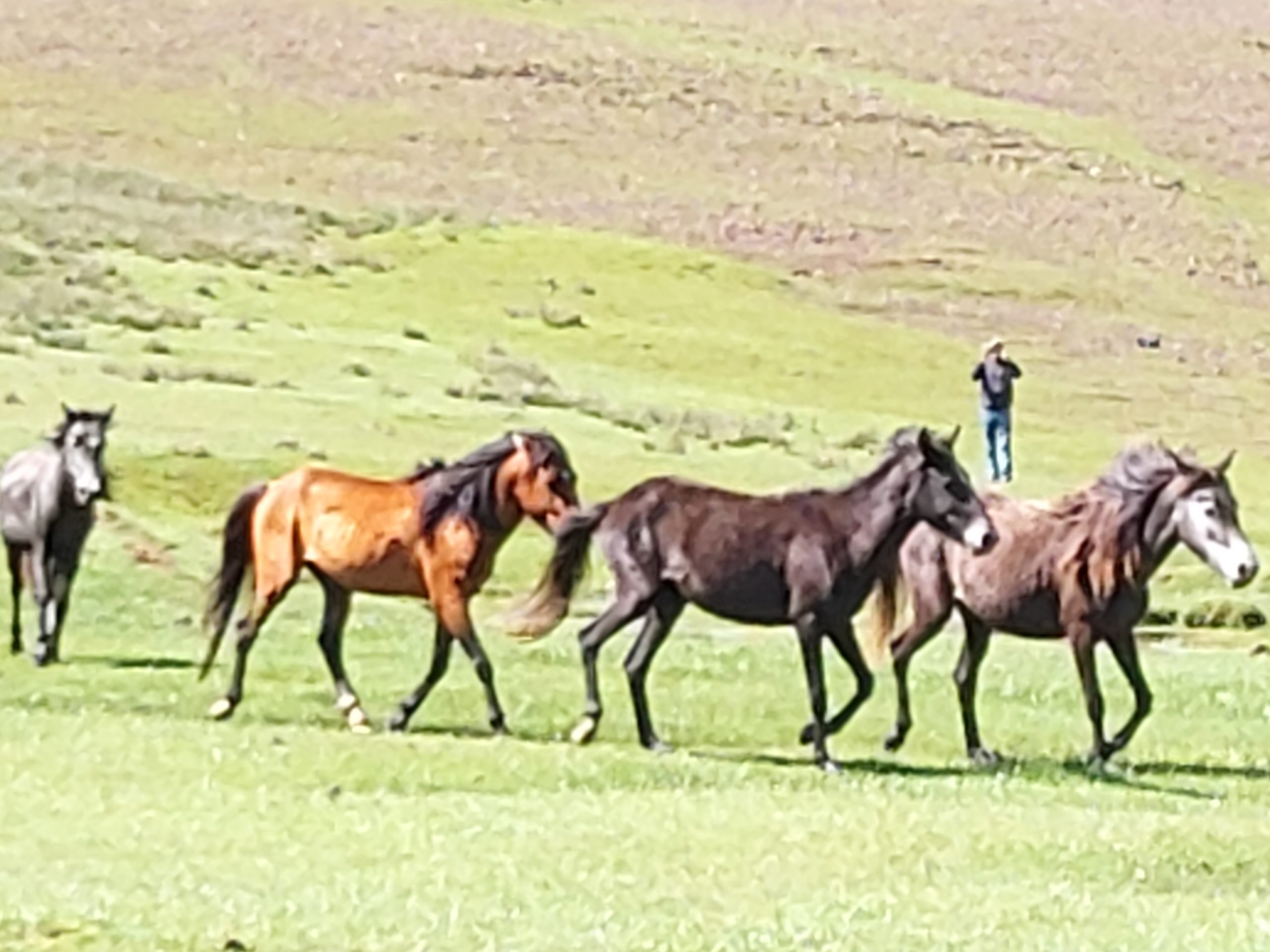
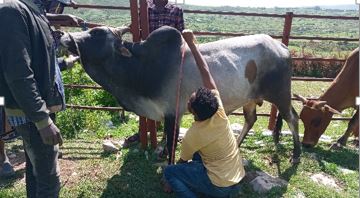

The Research Lead Executive is responsible for the following:
The Lead Executive also carries out other duties assigned by the Institute.
The executive is led by a Lead Executive Officer and is structured into four specialized desks, each headed by a senior researcher:
In addition, the executive coordinates the activities of biodiversity centers located across the country (Metu, Hawassa, Harar, Mekele, Goba, Bahir Dar, Asosa). Support staff (administrative and technical) assist in day-to-day operations.
Core specialist areas at head office include:
Breeds: cattle, sheep, goats, chickens, horses, donkeys
Core responsibilities:
Fauna: birds, mammals, reptiles, amphibians, insects
Core responsibilities:
Fauna: fish, aquatic invertebrates
Core responsibilities:
Fauna: domestic germplasm; wild and aquatic specimens
Core responsibilities:
The Animal Biodiversity Directorate welcomes partnerships and public engagement. You can collaborate or access our resources as follows:
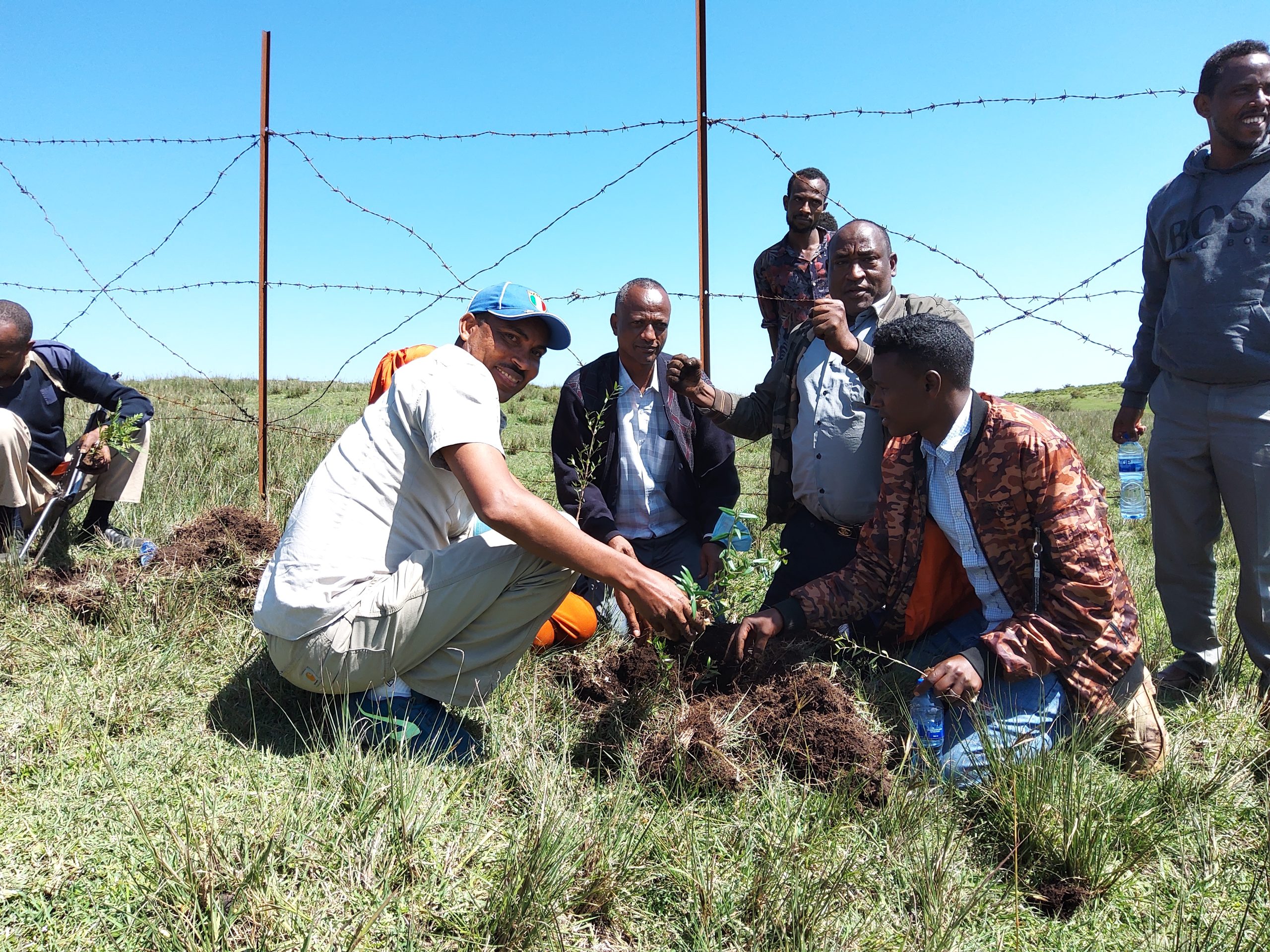

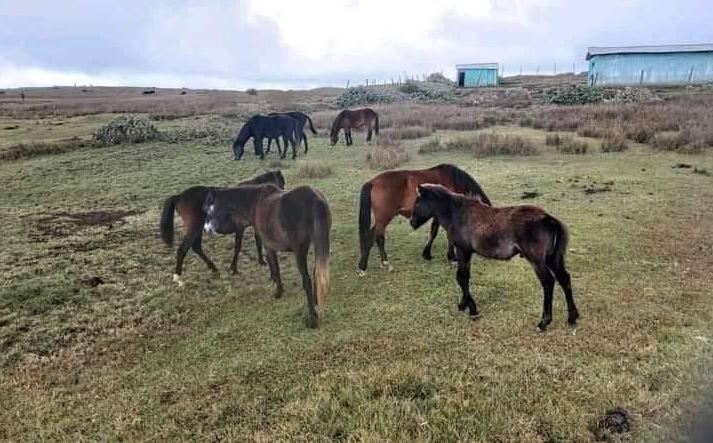

Pavlova, P. D., László, G. M., Müller, G. C., Tujuba, T. F., Prozorov, A. M., & Yakovlev, R. V. (2026). On the taxonomy of Salagena tesselata Distant, 1897 with description of a new genus and three new species (Lepidoptera, Cossoidea, Metarbelidae). Acta Biologica Sibirica, 12, 85–98. https://doi.org/10.5281/zenodo.18337242
Mulat, K., Wondie, A., & Mingist, M. (2026). Impact of sediment load on Cyperus papyrus growth in Lake Tana buffer zone, Northwest Ethiopia. BioRisk. https://doi.org/10.3897/biorisk.24.175866
Tesfahunegny, W., & Assefa, A. (2026). Birds of the dump: A study on diversity, abundance and threats in landfills of Tigray region, Ethiopia. Zoodiversity, 60, 91–105. https://doi.org/10.15407/zoo2026.01.091
Alem, K. M. (2025). Community perceptions of ecosystem services, drivers of degradation, and proposed conservation actions for Denbiq Wetland in West Gojam, Ethiopia. BioRisk. https://doi.org/10.3897/biorisk.23.156866
Banjaw, B., Didanna, H. L., & Mustefa, A. (2025). Phenotypic characterization of cattle breeds in Southern Ethiopia: Implications for breed differentiation and conservation. Genetic Resources. https://doi.org/10.46265/genresj.SCLC1551
Belayhun, T., Engdawork, A., & Mustefa, A. (2025). Sheep production system and farmers’ breeding practices in North Shewa and South Wollo Zones of Amhara Region, Central Ethiopia. International Journal of Veterinary Science and Research. https://doi.org/10.17352/ijvsr.000154
Belayhun, T., Engdawork, A., Mustefa, A., & Melak, A. (2025). Phenotypic characterization and production systems of chicken ecotypes in Central Ethiopia. East African Journal of Veterinary and Animal Sciences. https://eajvas.haramayajournals.org/index.php/eajvas/article/view/550
Engdawork, A., Bulbula, A., Melak, A., & Negussie, H. (2025). Unveiling the epidemiology and community perspectives on bovine brucellosis in North Shewa, Central Highlands of Ethiopia. Nature (Scientific Reports). https://doi.org/10.1038/s41598-024-83866-7
Getachew, T. B., Nuruhusen, A. M., Ayele, T. A., & Tesema, S. S. (2025). Cattle husbandry practices of farmers in the Hararghe Zones, Eastern Ethiopia. Choke Journal of Science and Technology.
Gebrenariam, G. H. (2025). Aligning regional and international biodiversity conventions to benefit butterfly conservation in Africa: A review. BioRisk, 23, 1–15. https://doi.org/10.3897/biorisk.23.141404
Gibru, A., Polakowski, M., & Jankowiak, Ł. (2025). Disturbed vs non-disturbed wetlands: A case of bird assemblages around Lake Tana in East Africa. Wetlands Ecology and Management. https://doi.org/10.1007/s11273-025-10084-x
Mustefa, A. (2025). Strategies to balance productivity and genetic diversity for the sustainable use of indigenous livestock breeds: A case study of Ethiopia. Genetic Resources. https://doi.org/10.46265/genresj.NNFE5064
Petrányi, G., Tujuba, T. F., Traore, M. M., Saldaitis, A., Yakovlev, R. V., Sulak, H., Volkova, J. S., Revay, E. E., Müller, G. C., Prozorova, T. A., & Prozorov, A. M. (2025). Review of the Mimopacha audeoudi species group with description of two new species from Sudan, South Sudan, and Ethiopia (Lepidoptera, Lasiocampinae). Ecologica Montenegrina. https://doi.org/10.37828/em.2025.93.1
Saldaitis, A., Prozorov, A. M., Junnila, A., Petrányi, G., Yakovlev, R. V., Tujuba, T. F., Traore, M. M., Müller, G. C., & Dûda, J. (2025). Notes on the African genus Paracroria (Lepidoptera: Noctuidae), with three new species descriptions. Integrative Systematics. https://doi.org/10.18476/2025.146467
Temesgen, Z., Biru, Y., Gibru, A., & Hundie, K. (2025). Human–wildlife conflict and local community attitudes towards wildlife conservation in Konta Special District, southwest Ethiopia. BioRisk. https://doi.org/10.3897/biorisk.23.163073
Adhena, M. H., Johansson, A. M., & Tarekegn, G. M. (2024). Genetic diversity and maternal origins of indigenous sheep populations in north Ethiopia. Small Ruminant Research. https://doi.org/10.1016/j.smallrumres.2024.107342
Aklilu, H., & Engdawork, A. (2024). Prevalence of Toxocara canis and assessment of knowledge, attitude, and practices of the community in Bishoftu town, central Ethiopia. Arhiv veterinarske medicine. https://doi.org/10.46784/e-avm.v17i1.348
Assefa, A., Mesfn, K., Tesfahunegny, W., Fitsum, B., Gaim, A., & Meles, T. (2024). Assessment of bird diversity and abundance in Mai-Nigus artificial reservoir and surrounding semi-forest in Tigray Region, Northern Ethiopia. Zoology. https://doi.org/10.1186/s40850-024-00215-x
Belayhun, T., Aseged, T., Melak, A., & Tafere, M. (2024). Morphological and morphometric characterization of cattle population in northern Ethiopia. Ecological Genetics and Genomics. https://doi.org/10.1016/j.egg.2024.100273
Engdawork, A., & Aklilu, H. (2024). Infectious bovine rhinotracheitis: Epidemiology, control, and impacts on livestock production and genetic resources. Veterinary Research Notes. http://doi.org/10.5455/vrn.2024.d35
Engdawork, A., Belayhun, T., & Aseged, T. (2024). The role of reproductive technologies and cryopreservation of genetic materials in the conservation of animal genetic resources. Ecological Genetics and Genomics. https://doi.org/10.1016/j.egg.2024.100250
Engdawork, A., Zewde, D., Aydefruhim, D., & Negussie, H. (2024). Seroepidemiology of bovine alphaherpesvirus 1 (BoAHV-1) in commercial and smallholder dairy herds in north Shewa, central highlands of Ethiopia. Research in Veterinary Science. https://doi.org/10.1016/j.rvsc.2024.105306
Gebreegziabher, H. G. (2024). A systematic review of insect decline and discovery: Trends, drivers, and conservation strategies over the past two decades. Psyche: A Journal of Entomology, 2024, Article 5998962, 16 pages. https://doi.org/10.1155/2024/5998962
Melak, A., Aseged, T., & Shitaw, T. (2024). The influence of artificial intelligence technology on the management of livestock farms. International Journal of Distributed Sensor Networks. https://doi.org/10.1155/2024/8929748
Mesfn, K., Assefa, A., & Tesfahunegny, W. (2024). The importance of wetlands for the conservation of birds in Tigray National Regional State (Northern Ethiopia). International Journal of Zoology. https://doi.org/10.1155/2024/6687251
Mulualem, G., Lavrenchenko, L. A., Peterhans, J. C. K., Mikula, O., Bryjová, A., Meheretu, Y., & Bryja, J. (2024). Taxonomic revision and evolutionary history of the climbing mice in eastern Africa (Dendromus mystacalis clade): The role of elevation and geographical barriers in the speciation process. Organisms Diversity & Evolution. https://doi.org/10.1007/s13127-024-00659-6
Mustefa, A., Aseged, T., Kenfo, H., & Hunde, K. (2024). Phenotypic characterization of Guraghe and Jimma cattle breeds in Ethiopia: Implications for breed differentiation and in situ conservation. PLOS ONE. https://doi.org/10.1371/journal.pone.0303559
Mustefa, A., Engdawork, A., & Sinke, S. (2024). Assessment of horse breeding and husbandry practices in southwest Ethiopia: Its implication to design breeding program. Heliyon. https://doi.org/10.1016/j.heliyon.2024.e39280
Mustefa, A., Hayelom, M., & Melak, A. (2024). Breed differentiation in northern Ethiopian cattle: The application of univariate and multivariate analyses of phenotypic traits. PLOS ONE. https://doi.org/10.1371/journal.pone.0313190
Mustefa, A., Melak, A., Kenfo, H., Sinke, S., Abdela, A., & Hailu, A. (2024). Quantifying phenotypic relationships among Arsi, Bale and Jemjem cattle breeds of Ethiopia. Genetic Resources. https://doi.org/10.46265/genresj.EPVO8349
Prozorov, A. M., Saldaitis, A., Prozorova, T. A., Yakovlev, R. V., Volkova, J. S., Sulak, H., Tujuba, T. F., Revay, E. E., & Müller, G. C. (2024). Description of two new species of the genus Dollmania (Lepidoptera, Lasiocampidae). Zootaxa. https://doi.org/10.11646/zootaxa.5493.1.3
Tuji, A., Jacobs, S. M., Malgas, R. R., Dzama, K., & Alamirew, T. (2024). Effects of land-use change on the provisioning ecosystem service of wetlands: The case of a social ecological systems perspective of Boyo Wetland in Ethiopia. African Journal of Aquatic Science. https://doi.org/10.2989/16085914.2024.2319670
Tujuba, T. F., Yakovlev, R. V., Saldaitis, A., Sulak, H., Aarvik, L., Murphy, R. J., Volkova, J. S., Traore, M. M., Revay, E. E., Müller, G. C., Prozorova, T. A., & Prozorov, A. M. (2024). Review of the African golden-spotted genera Haplopacha and Dasychirinula (Lepidoptera, Lasiocampidae, Poecilocampinae). Acta Biologica Sibirica. https://doi.org/10.5281/zenodo.12787215
Wale, M., Bekele, A., & Yihune, M. (2024). Composition and seasonality of rodent diet in Chimit Kola, Blue Nile Gorge, Ethiopia. Heliyon. https://doi.org/10.1016/j.heliyon.2024.e28416
Wale, M., Bekele, A., & Yihune, M. (2024). Diversity of small mammal ectoparasite species and factors that affect their abundance in Chimit Kola, northwestern Ethiopia. Global Ecology and Conservation. https://doi.org/10.1016/j.gecco.2023.e02370
Weldemariam, T. B., Alembrhan, A. W., & Kalayu, A. M. (2024). Diversity of birds in highland reservoirs and adjoining areas of Tigray, Northern Ethiopia: Implication for conservation. Zoodiversity. https://doi.org/10.15407/zoo2024.05.445
Aseged, T., Getachew, T., Banerjee, S., Melak, A., Belayhun, T., Engdawork, A., Kefyalew, E., Assefa, A., & Hailu, A. (2023). Designing of community-based conservation and breeding program for Begaria cattle breed found in Arid and Semi-Arid areas of Benishangul Gumuz region of Ethiopia. Ecological Genetics and Genomics. https://doi.org/10.1016/j.egg.2023.100188
Aseged, T., Getachew, T., Banerjee, S., Belayhun, T., Melak, A., Engdawork, A., Kefyalew, E., Assefa, A., & Hailu, A. (2023). Production systems and breeding practices of Begaria cattle breed as input for a community-based breeding program. Heliyon. https://doi.org/10.1016/j.heliyon.2023.e21963
Belayhun, T., Getachew, T., Mustefa, A., Engdawork, A., Sinke, S., & Melesse, A. (2023). Farming practices and breeding objectives identification of farmer in north shoa and south wello zones of Amhara region. Heliyon. https://doi.org/10.1016/j.heliyon.2023.e20207
Belayhun, T., Getachew, T., Mustefa, A., Engdawork, A., Sinke, S., & Melesse, A. (2023). Phenotypic characterization of goat populations of North Shoa and South Wollo zones in Amhara region. Ecological Genetics and Genomics. https://doi.org/10.1016/j.egg.2023.100169
Getachew, T. B., Kassa, A. H., & Megersa, A. G. (2023). Phenotypic characterization of donkey population in South Omo Zone, Southern Ethiopia. Heliyon. https://doi.org/10.1016/j.heliyon.2023.e18662
Kenfo, H., Mustefa, A., Belayhun, T., Hailu, A., & Assefa, A. (2023). Production system of indigenous chickens in pastoral and agropastoral districts of South Omo Zone, South Ethiopia. EthJBD.
Mulualem, G., Collinson, W. J., Tesfahunegny, W., Walle, M., Kassie, A., Mesfin, M., Chala, D., Teferi, M., & Haileselasie, T. H. (2023). Examining vertebrate road mortality on highways passing through protected areas of eastern Ethiopia. European Journal of Wildlife Research. https://doi.org/10.1007/s10344-023-01750-7
Mustefa, A. (2023). Implication of phenotypic and molecular characterization to breed differentiation of Ethiopian cattle: A review. Ecological Genetics and Genomics. https://doi.org/10.1016/j.egg.2023.100208
Mustefa, A. (2023). Significance of community-based breeding programs to conservation and sustainable utilization of small ruminants in Ethiopia. A review. Small Ruminant Research. https://doi.org/10.1016/j.smallrumres.2023.107040
Mustefa, A., Aseged, T., Sinkiea, S., Getachew, F., Fekensa, T., Misganaw, M., & Hailu, A. (2023). Phenotypic diversity between and within Harar and Ogaden cattle breeds in eastern Ethiopia: The first step for conservation. Genetic Resources. https://doi.org/10.46265/genresj.IXPJ9541
Tesfahunegny, W., & Assefa, A. (2023). Diversity and abundance of birds in dumpsites of Afar region, Ethiopia: Implication for conservation. Zoology. https://doi.org/10.1186/s40850-023-00177-6
Wassie, A. M., Getachew, T. B., Kassa, A. H., Megersa, A. G., & Aseged, T. A. (2023). Donkey production systems and breeding practices in selected districts of South Omo Zone, southern Ethiopia. The Rangeland Journal. https://doi.org/10.1071/RJ23018
Aseged, T., Getachew, T., & Banerjee, S. (2022). Participatory identification of breeding objectives and selection criteria for Begaria cattle breed. Sustainability. https://doi.org/10.3390/su141912766
Bezu, K. H., Wase, A. M., Ayale, T. A., Banja, T. H., Kasa, A. H., & Tujuba, T. F. (2022). Estimating and identifying factors influencing households’ willingness to pay for conservation of Washera sheep breed in selected areas of West Gojjam Zone, Ethiopia. Turkish Journal of Agriculture-Food Science and Technology. https://doi.org/10.24925/turjaf.v10i12.2477-2483.5315
Endebu, M., Getahun, A., & Tessema, M. (2022). Effect of elevated fry rearing temperature on survival rate, growth performance, and sex ratio of three Oreochromis niloticus populations of Ethiopian Rift Valley Lakes. Ethiopian Journal of Science.
Gibru, A., & Biru, Y. (2022). Assessment of bird species composition, relative abundance, and distributions in East Gojiam wetland habitats, Ethiopia. Hindawi International Journal of Zoology. https://doi.org/10.1155/2022/2802998
Mustefa, A. (2022). Do we need importing exotic breeds to improve performances of the indigenous animals? A review on Boer goats’ impact in Ethiopia. The Ethiopian Journal of Biodiversity (EthJBD).
Mustefa, A., Engdawork, A., Sinke, S., & Hailu, A. (2022). Phenotypic characterization of Gesha horses in southwestern Ethiopia. Genetic Resources. https://doi.org/10.46265/genresj.KPIL878
Mustefa, A., Engdawork, A., Tafere, M., Hailu, A., & Assefa, A. (2022). Phenotypic relationship among Menz, Wollo, and Merhabete sheep populations of Ethiopia: Its implication for conservation. Ecological Genetics and Genomics. https://doi.org/10.1016/j.egg.2022.100134
Tujuba, T. F., Anna, S., Gianni, G., & Sciarretta, A. (2022). Lepidoptera as a tool for human disturbance assessment on biodiversity in Choke Mountains, Ethiopia. African Zoology. https://doi.org/10.21203/rs.3.rs-2064956/v1
Aseged, T., Abebe, H., Abraham, A., Tesfaye, G., Manaye, M., Seble, S., Fasil, G., & Solomon, A. (2021). Goat breeding practice and production constraints in Boset and Minjar Shenkora districts of Ethiopia. Genetics and Biodiversity Journal, 5(3), 107–115. https://doi.org/10.46325/gabj.v5i3.151
Aseged, T., Assefa, A., Hailu, A., Getachew, T., Misganaw, M., Sinke, S., Getachew, F., & Abegaz, S. (2021). Phenotypic characterization for identification, conservation and sustainable utilization of Boset and Minjar Shenkora goats of Ethiopia. Turkish Journal of Agriculture – Food Science and Technology. https://doi.org/10.24925/turjaf.v9i10.1876-1882.4492
Asmamaw, B., Shitaw, T., & Berisa, L. (2021). The contribution of fisheries to livelihoods of communities around Alwero Reservoir in Abobo District, Gambella, Ethiopia. Turkish Journal of Agriculture – Food Science and Technology. https://doi.org/10.24925/turjaf.v9i6.1201-1207.3940
Asmamaw, B., & Tessema, M. (2021). Morphometric variations of Nile Tilapia (Oreochromis niloticus Linnaeus, 1758) (Perciformes, Cichlidae) collected from three Rift Valley Lakes in Ethiopia. Journal of Aquaculture and Fish Health. https://doi.org/10.20473/jafh.v10i3.26606
Assefa, A., Hailu, A., Mustefa, A., Melak, A., & Getachew, T. (2021). Characterization, conservation and sustainable utilization of Ethiopian animal genetic resources: Status, challenges and opportunities. A review. International Journal of Management Studies and Social Science Research.
B., A., L., B., & T., S. (2021). Post-harvest loss of fish at Alwero Reservoir in Abobo, Gambella, Ethiopia. Journal of Ecology and Natural Resources. https://doi.org/10.23880/jenr-16000237
Endebu, M., Getahun, A., & Tessema, M. (2021). Differences in phenotypic characters of Nile Tilapia (Oreochromis niloticus L.) in three Ethiopian Rift Valley lakes; Screening strains for aquaculture. Fisheries and Aquaculture Journal.
Endebu, M., Getahun, A., & Tessema, M. (2021). Variations in reproductive characteristics among Oreochromis niloticus populations of three Ethiopian Rift Valley lakes. Journal of Biological Sciences.
Getachew, F., Assefa, A., Getachew, T., Kebede, S. A., Hailu, A., Mesganaw, M., Emishaw, Y., & Tessema, M. (2021). On-farm phenotypic characterization of Begaria cattle population and their production system in Guba District, North Western Ethiopia. Ethiopian Journal of Animal Production.
Gibru, A., Biru, Y., Temesgen, Z., & Hunde, K. (2021). A preliminary checklist of birds for the Fura and Furagosa wildlife community-based conservation area, in Mirab-Abaya District, Gamo Zone, Southern Ethiopia. International Journal of Multidisciplinary Research and Analysis. https://doi.org/10.47191/ijmra/v4-i4-05
Goutte, S., Reyes-Velasco, J., Freilich, X., Kassie, A., & Boissinot, S. (2021). Taxonomic revision of grass frogs (Ptychadenidae, Ptychadena) endemic to the Ethiopian highlands. ZooKeys. https://doi.org/10.3897/zookeys.1016.59699
Hailu, A., Assefa, A., & Mustefa, A. (2021). Population, distribution and conservation status of ecotype indigenous chicken. International Journal of Current Research. https://doi.org/10.24941/ijcr.40715.02.2021
Kenfo, H. (2021). Review of indigenous sheep breeds production systems in Ethiopia. International Journal of Innovative Science and Research Technology.
Melak, A., Hailu, A., Assefa, A., Aseged, T., Sinkie, S., & Tsion, S. (2021). Characterization of the production system and breeding practices of sheep producers in Tahtay Maychew District, Northern Ethiopia. International Journal of Tropical Dry Lands. https://doi.org/10.13057/tropdrylands/t050102
Melak, A., Kenfo, H., Aseged, T., & Hailu, A. (2021). Production system and breeding practice of indigenous chickens in selected districts of Dawro zone and Konta special district, Southern Ethiopia. Asian Journal of Agriculture. https://doi.org/10.13057/asianjagric/g050204
Mustefa, A., Kenfo, H., Belayhun, T., Hailu, A., & Assefa, A. (2021). Morphometric and morphological characterization of chicken resources adapted to pastoral and agropastoral areas of southern Ethiopia. Genetic Resources. https://doi.org/10.46265/genresj.NDFM2712
Shitaw, T., Berisa, L., & Asmamaw, B. (2021). Effect of season on the concentration of nutrients in the three highland lakes of Ethiopia. Fisheries and Aquaculture Journal.
Abdela, A. (2020). Hamadryas baboon (Papio hamadryas hamadryas) population size and their distribution in community forest in Gasera District of Bale Zone, Southeast Ethiopia. American Journal of Life Sciences. https://doi.org/10.11648/j.ajls.20200805.2
Asmamaw, B., Datiko, D., Tessema, M., Assefa, A., & Chavhan, A. (2020). Trends of climate change and perception of local fishermen around Lake Chamo, Ethiopia. International Journal of Life Sciences.
Hailu, A., Mustefa, A., Aseged, T., Assefa, A., Sinkie, S., & Tsewene, S. (2020). Phenotypic characterization of sheep populations in Tahtay Maichew district, Northern Ethiopia. Genetic Resources. https://doi.org/10.46265/genresj.SHBD3744
Kassie, A. (2020). Attitude, beliefs and perception of people towards amphibian conservation around Chefa wetland, Oromo zone, Amhara National Regional State. International Journal of Zoology Studies.
Kassie, A., & Bekele, A. (2020). Diversity, distribution, and habitat of herpetofauna around Gambella Zuria District, West Ethiopia. International Journal of Zoology and Applied Biosciences. https://doi.org/10.5281/zenodo
Melak, A., Belayhun, T., Kefyalew, E., Hailu, A., Mustefa, A., & Assefa, A. (2020). Farmers’ willingness to pay for Sinar donkey conservation in selected districts of Metekel and Assosa zones, northwest Ethiopia: A contingent valuation study. Biodiversitas Journal of Biological Diversity. https://doi.org/10.13057/biodiv/d210762
Mustefa, A., Belayhun, T., Melak, A., Hayelom, M., Hailu, A., & Assefa, A. (2020). Body morphometric measurements in Harmo cattle (Raya-azebo cattle) in southern Tigray of Ethiopia. Online Journal of Animal and Feed Research. https://doi.org/10.51227/ojafr.2020.35
Mustefa, A., Belayhun, T., Melak, A., Hayelom, M., Tadesse, D., Hailu, A., & Assefa, A. (2020). Phenotypic characterization of Raya cattle in northern Ethiopia. Tropical Animal Health and Production. https://doi.org/10.1007/s11250-020-02486-1
Tesfahunegny, W., Datiko, D., Wale, M., Hailay, G. E., & Hunduma, T. (2020). Impact of wind energy development on birds and bats: The case of Adama wind farm, Central Ethiopia. The Journal of Basic and Applied Zoology. https://doi.org/10.1186/s41936-020-00171-1
Tessema, M., Shitaw, T., Beyene, B., Asmamaw, B., & Assefa, A. (2020). Assessment of the status of Lake Afdera in the Danakil depression; Afar, Ethiopia. Forestry Research and Engineering: International Journal. https://doi.org/10.15406/freij.2020.04.00094
Tujuba, T. F., Sciarretta, A., Hausmann, A., & Abate, G. A. (2019/2020). Lepidopteran biodiversity of Ethiopia: Current knowledge and future perspectives. ZooKeys. https://doi.org/10.3897/zookeys.882.36634
Abdela, A. (2019). Hamadryas baboon (Papio hamadryas hamadryas) conflict with human in community forest in Gasera District of Bale Zone, Southeast Ethiopia. American Journal of Zoology. https://doi.org/10.11648/j.ajz.20190202.12
Asmamaw, B., Beyene, B., Tessema, M., & Assefa, A. (2019). Length-weight relationships and condition factor of Nile tilapia, Oreochromis niloticus (Linnaeus, 1758) (Cichlidae) in Koka Reservoir, Ethiopia. International Journal of Fisheries and Aquatic Research.
Berisa, L., Lakew, A., & Negassa, A. (2019). Assessment of the ecological health status of River Berga using benthic macroinvertebrates as bioindicators, Ethiopia. North American Academic Research.
K., H., L., B., T., S., B., A., & T., F. (2019). Evaluating household’s willingness to pay for catfish species conservation in Lake Hawassa, Sidama National Region State, Ethiopia. International Journal of Oceanography & Aquaculture. https://doi.org/10.23880/ijoac-16000204
Mustefa, A., Assefa, A., Misganaw, M., Getachew, F., Abegaz, S., Hailu, A., & Emshaw, Y. (2019). Phenotypic characterization of donkeys in Benishangul Gumuz national regional state. Online Journal of Animal and Feed Research. https://doi.org/10.36380/scil.2020.ojafr4
Asmamaw, B., Beyene, B., Datiko, D., & Tessema, M. (2018). Willingness to pay for the conservation of Lake Chamo ecosystem, Ethiopia. American Journal of Business, Economics and Management.
Asmamaw, B., Beyene, B., Tessema, M., & Assefa, A. (2018). The impact of climate change and anthropogenic activities on fisheries of Lake Logo, South Wello. International Journal of Agriculture, Forestry and Fisheries.
Getachew, F., Abegaz, S., Misganaw, M., & Fekansa, T. (2018). On-farm phenotypic characterization of Ogaden cattle populations of Jigjiga zone, southeastern Ethiopia. Ethiopian Journal of Animal Production.
Hailu, A., Assefa, A., Aseged, T., Belayhun, T., Sinke, S., Getachew, A., & Getachew, T. (2018). Morphometric characteristic of domesticated local ducks in Gembela and Benishangul Gumuz region of South West and North-West Ethiopia. International Journal of Innovative Research and Advanced Studies.
Molaliegnwale, M., Kassie, A., Tesfahunegny, W., & Hailay, G. (2018). Wild animal status and their threats in Echefa forest and wetland (Proposed In-situ Conservation Site), Southern Nations Nationalities and People’s Regional States, Ethiopia. Journal of Biodiversity & Endangered Species. https://doi.org/10.4172/2332-2543.1000222
Teme, A. K., Wale, M., Beyene, B., Assefa, A., & Tesfahunegny, W. (2018). Assessment of the wildlife and ecosystem status of Choke Mountain, North Western Ethiopia. Biological Diversity and Conservation.
Asmamaw, B., Beyene, B., & Tessema, M. (2017). Assessment of natural resources in Ketech Watershed, East Gojjam Zone of Amhara National Regional State, Ethiopia. International Journal of Agricultural Economics. https://doi.org/10.11648/j.ijae.20170201.11
Asmamaw, B., Beyene, B., Aseged, T., Tessema, M., & Assefa, A. (2017). Beneficiaries’ willingness to pay for the conservation of Meteka wetland in Afar National Regional State, Ethiopia. World Scientific News.
Chiozzi, G., Stiassny, M. L. J., Alter, S. E., De Marchi, G., Mebrahtu, Y., & Tessema, M. (2017). Fishes in the desert: Mitochondrial variation and phylogeography of Danakilia (Actinopterygii: Cichlidae) and Aphanius (Actinopterygii: Cyprinodontidae) in the Danakil Depression of northeastern Africa. Mitochondrial DNA Part A. https://doi.org/10.1080/24701394.2017.1404043
Mulualem, G., Mesfin, M., Alene, N., Nigussie, H., Tesfahunegny, W., & Yirga, G. (2017). Knowledge, attitude and practice of custom staffs on illicit wildlife trafficking in four checkpoints of northeastern Ethiopia. World Journal of Zoology. https://doi.org/10.5829/idosi.wjz.2017.82.91
Tesfahunegny, W., & Mulualem, G. (2017). Impact of climatic change on avian populations: Implication for long term conservation in wildlife genetic resources. American Journal of Bioscience and Bioengineering. https://doi.org/10.11648/j.bio.20170501.15
Wale, M., Kassie, A., Mulualem, G., Tesfahunegny, W., & Assefa, A. (2017). Wildlife threats and their relative severity of eastern Ethiopia protected areas. Ecology and Evolutionary Biology. https://doi.org/10.11648/j.eeb.20170204.12
Asmamaw, B., Beyene, B., Tessema, M., Kara, A., Goshu, B., & Assefa, A. (2016). Estimating willingness to pay for Labeobarbus fish species conservation in Lake Tana, Ethiopia: A contingent valuation study. International Journal of Natural Resource Ecology and Management. https://doi.org/10.11648/j.ijnrem.20160104.12
Fekensa, T., Tesfahunegny, W., & Mekonnen, A. (2016). Impact of human activities on biosphere reserve: A case study from Yayu Biosphere Reserve, Southwest Ethiopia. International Journal of Biodiversity and Conservation. https://doi.org/10.5897/IJBC2016.1005
Getachew, F., Abegaz, S., Assefa, A., Misganaw, M., Emshaw, Y., Hailu, A., Tessema, M., & Okore, C. (2016). Multivariate analyses of morphological traits in indigenous chicken populations of Metekel zone, Northwestern Ethiopia. Animal Genetic Resources.
Mulualem, G., & Tesfahunegny, W. (2016). Depredation of domestic fowl by birds of prey in low-income rural households of Alamata Wereda, Southern Tigray, Ethiopia. The Journal of Zoology Studies.
Mulualem, G., & Tesfahunegny, W. (2016). Review of conservation medicine practices on wildlife: A lesson for sustaining eco-healthy in wildlife genetic biodiversity of Ethiopia. The Journal of Zoology Studies.
Mulualem, G., & Tesfahunegny, W. (2016). Contemporary status of illicit wildlife genetic resource trafficking: Future policy, legal and institutional consideration of sustainable wildlife conservation in Ethiopia. The Journal of Zoology Studies.
Mulualem, G., & Tesfahunegny, W. (2016). Review of key wildlife threats factors from literature and observation perspectives: A way forward for sustainable wildlife genetic resource conservation practices in Ethiopia. The Journal of Zoology Studies.
Mulualem, G., Ayalew, S., & Tesfahunage, W. (2016). Abundance and activity pattern of avifauna in Ashewa local vulture restaurant, Dire Dawa, eastern Ethiopia. International Journal of Avian & Wildlife Biology. https://doi.org/10.15406/ijawb.2016.01.00005
Mulualem, G., Ayalew, S., & Tesfahunegny, W. (2016). Community perception and practices of environmental conservation along flooding line settlements of Birka Kebele, Dire Dawa, Eastern Ethiopia. The Journal of Zoology Studies.
Teme, A. K. (2016). Distribution and species richness of amphibians in Awi zone and Wombera District, Northwest Ethiopia. The Journal of Zoology Studies.
Tesfahunegny Bezabh, W. (2016). Bird species composition and diversity in wetlands of Awi zone and Wombera hotspot areas Northwestern, Ethiopia. The Journal of Zoology Studies.
Tesfahunegny Bezabh, W. (2016). Review article a guide to a complete annotated checklist of the birds of Ethiopia. Journal of Zoology Studies.
Tesfahunegny Bezabh, W. (2016). A review on zoonosis and avian influenza (bird flu): A literature review. Journal of Zoology Studies.
Tesfahunegny, W. (2016). A catalogue for endemic birds of Ethiopia. Journal of Zoology Studies.
Tesfahunegny, W., & Mulualem, G. (2016). Impact of pesticides on birds from DDT to current fatality: A literature review. The Journal of Zoology Studies.
Tesfahunegny, W., Fekensa, T., & Mulualem, G. (2016). Avifauna diversity in Kafa Biosphere Reserve: Knowledge and perception of villagers in Southwest Ethiopia. World Applied Sciences Journal. https://doi.org/10.5829/idosi.wasj.2016.34.9.105103
Wale, M. (2016). The Walia ibex (Capra walie). Journal of Biodiversity & Endangered Species. https://doi.org/10.4172/2332-2543.1000161
Wale, M., Kassie, A., & Fekensa, T. (2016). Assessment of naked mole-rat distribution and threats in Eastern Ethiopia. Journal of Coastal Life Medicine. https://doi.org/10.12980/jclm.4.2016J6-95
Mulualem, G., Ayalew, S., & Tesfahunegny, W. (2015). Contemporary challenges of restoring the threatened important bird area of Lake Haramaya, Eastern Ethiopia. The Journal of Zoology Studies.